
Skip to content
✈ India's AME Exam Preparation Platform Serving AME Students Since 2017
Premium Study Material WhatsApp Support Contact
AME Question Paper
Home
📘 DGCA Question Papers Previous papers & short notes ⭐ Premium Study Material Premium DGCA AME modules 📚 AME Reference Books Recommended reference material 🌐 EASA Papers & Notes EASA examination resources
Mock Tests RTR(A) Jobs News Blogs
⌕ Login / Sign Up
Premium Study Material
Home 📘 DGCA Question Papers & Notes ⭐ Premium Study Material 🎯 Premium Mock Tests 📚 AME Reference Books 🎙 RTR(A) 💼 Aviation Jobs 📰 Aviation News ✍ Blogs Login / Sign Up

Do Airplanes Dump Fuel in Midair? Get the Facts

May 6, 2022
in Blogs
A A
Do Airplanes Dump Fuel in Midair? Get the Facts

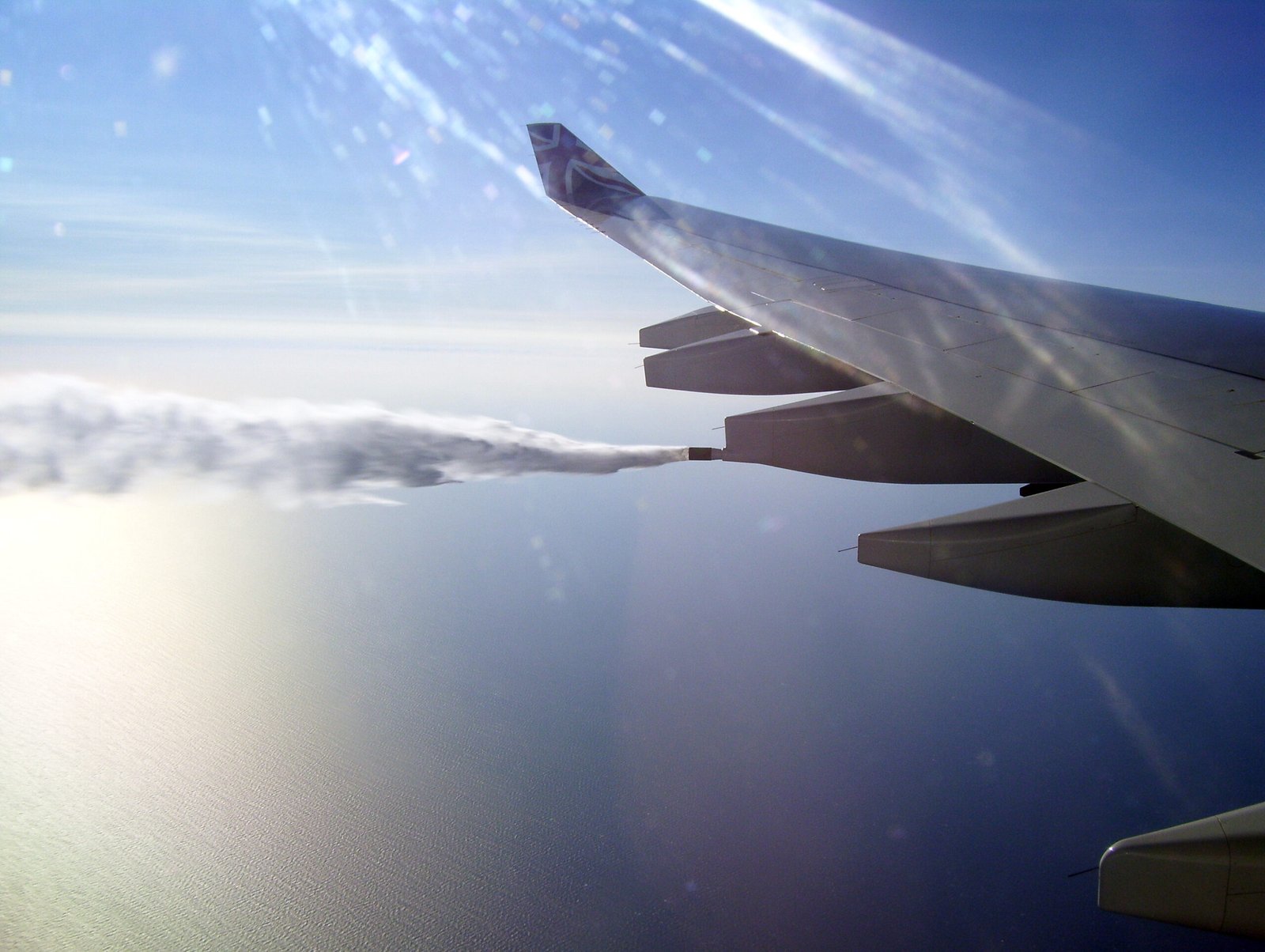
With an average cost of about $5 to $6 per gallon, jet fuel isn’t cheap, especially when you consider that a typical 737 airliner holds about 5,000 gallons. Nonetheless, it’s not uncommon for commercial airlines to intentionally dump fuel when flying. Although this may sound wasteful, it’s actually an efficient strategy that helps airlines in several ways.

Dumping Fuel Before Landing Lowers Its Weight

The primary purpose of dumping fuel in midair is to lower an airplane’s weight before landing. In most cases, airlines only dump air in midair immediately before landing. They don’t do it before or during takeoff, nor do they do it halfway through their flight. Rather, airlines may dump some of their airplane’s excess fuel immediately before landing so that it lowers the weight of their aircraft.

Why do airplanes need to be lighter when landing than taking off? The reason for this is because landing places greater stress on airplanes than taking off. Therefore, aerospace manufacturers like Boeing and Airbus design their airplanes to land with a lower weight. The flight between the departure airport and the destination airport should consume enough of the airplane’s fuel so that dumping isn’t needed. When an emergency occurs and an airplane needs to land fast, however, the pilot may dump fuel to lower its weight.

To say jet fuel is heavy would be an understatement. Assuming a single gallon weighs 6 pounds, a 737 holding 5,000 gallons of fuel will have 30,000 pounds added to its total weight — that’s a lot of additional stress placed on the airplane during landing. Airlines can achieve smoother and safer landing, however, by removing their fuel beforehand. This is done either by burning it naturally from flying or dumping it.

Jet Fuel Evaporates When Dumped in Midair

Some people might be concerned that dumped jet fuel will land on them or their home. When dumped in midair, however, jet fuel evaporates into the air so that little if any hits the ground.

Emergency Situations Only

Fuel dumping isn’t a normal procedure performed by airlines. It’s typically done only in emergency situations when an airplane needs to land as soon as possible. If a passenger onboard is experiencing a medical emergency, for example, the airline may instruct the pilot to change course to the nearest available airport while dumping the plane’s excess fuel in the process.

The bottom line is that airlines dump fuel to lower the weight of their plane so that it’s able to land safely and more smoothly.


Related Posts

AMOS APN Finder
Blogs

AMOS APN Finder

October 16, 2026
MEL Calculator
Blogs

MEL Calculator

October 16, 2026
Blogs

WHY DON’T AIRCRAFT DOORS SIMPLY OPEN IN FLIGHT?

September 7, 2026
Why airplane windows have tiny holes?
Blogs

Why airplane windows have tiny holes?

September 7, 2026
Why airplane windows have tiny holes?
Blogs

Why Your Ears Pop When Flying in an Airplane

September 7, 2026
How the Wings of an Airplane Generate Lift
Blogs

How the Wings of an Airplane Generate Lift

September 7, 2026

Preparing for DGCA AME exams?

Previous year papers, B1 & B2 notes and DGCA-pattern mock tests – all in one place.

Take a Mock Test DGCA Question Papers & Notes
AME QUESTION PAPER

India's first online platform for AME candidates, serving students since 2017 with quality study material for DGCA and EASA exams.

11,75,112 Global visitors
Since 2017 Serving AME students

Study Resources

  • DGCA Papers & Notes
  • Mock Tests
  • EASA Papers & Notes
  • AME Reference Books
  • RTR(A) Classes
  • Members' Results

Quick Links

  • Home
  • About Us
  • Aviation Jobs
  • Aviation News
  • Blogs
  • My Dashboard

Help & Policies

  • Contact Us
  • Terms & Conditions
  • Privacy Policy
  • Refunds & Cancellations
  • Disclaimer

Get in Touch

  • WhatsApp Support +91 75593 69412
  • Support support@amequestionpaper.in
© 2017–2026 AME QUESTION PAPER. All rights reserved. Design by AME QUESTION PAPER ❤

Ok

Create New Account!

Fill the forms below to register

All fields are required. Log In

Retrieve your password

Please enter your username or email address to reset your password.

Log In
✈

Welcome to AME QUESTION PAPER

Sign in to access your study materials, mock tests and more.

Login with Google

Sign in with Google. New users get an account automatically.

G Sign up with Google

New user? Create your account with Google.

✈
AME QUESTION PAPER
www.amequestionpaper.in
✈
AME QUESTION PAPER Support www.amequestionpaper.in
Hi! 👋 How can we help with your DGCA Exam Preparation?
What do you need help with?
DGCA QUESTION PAPERSMOCK TESTRTR(A) CLASSESGUIDANCE
Start WhatsApp Chat WhatsApp Support: +91 75593 69412
No Result
View All Result
  • Home
  • AME
    • DGCA QUESTION PAPER & NOTES
    • MOCK TEST
    • AME REFERENCE BOOKS
    • EASA QUESTION PAPER & NOTES
  • RTR
  • JOBS
  • News
  • Blogs
  • Login
  • Sign Up

Copyright 2017-2026 © All rights Reserved. Design by AME QUESTION PAPER ❤

Insert/edit link

Enter the destination URL

Or link to existing content

    No search term specified. Showing recent items. Search or use up and down arrow keys to select an item.