✈

Welcome to AME QUESTION PAPER

Sign in to access your study materials, mock tests and more.

Login with Google

Sign in with Google. New users get an account automatically.

G Sign up with Google

New user? Create your account with Google.

Login / Sign Up with Email

✈
AME QUESTION PAPER
www.amequestionpaper.in
Skip to content
✈ India's AME Exam Preparation Platform Serving AME Students Since 2017
Premium Study Material WhatsApp Support Contact
AME Question Paper
Home
📘 DGCA Question Papers Previous papers & short notes ⭐ Premium Study Material Premium DGCA AME modules 📚 AME Reference Books Recommended reference material 🌐 EASA Papers & Notes EASA examination resources
Mock Tests RTR(A) Jobs News Blogs
⌕ Login / Sign Up
Premium Study Material
Home 📘 DGCA Question Papers & Notes ⭐ Premium Study Material 🎯 Premium Mock Tests 📚 AME Reference Books 🎙 RTR(A) 💼 Aviation Jobs 📰 Aviation News ✍ Blogs Login / Sign Up

How Airplanes Can Land on Water

November 20, 2026
in Blogs
A A
How Airplanes Can Land on Water

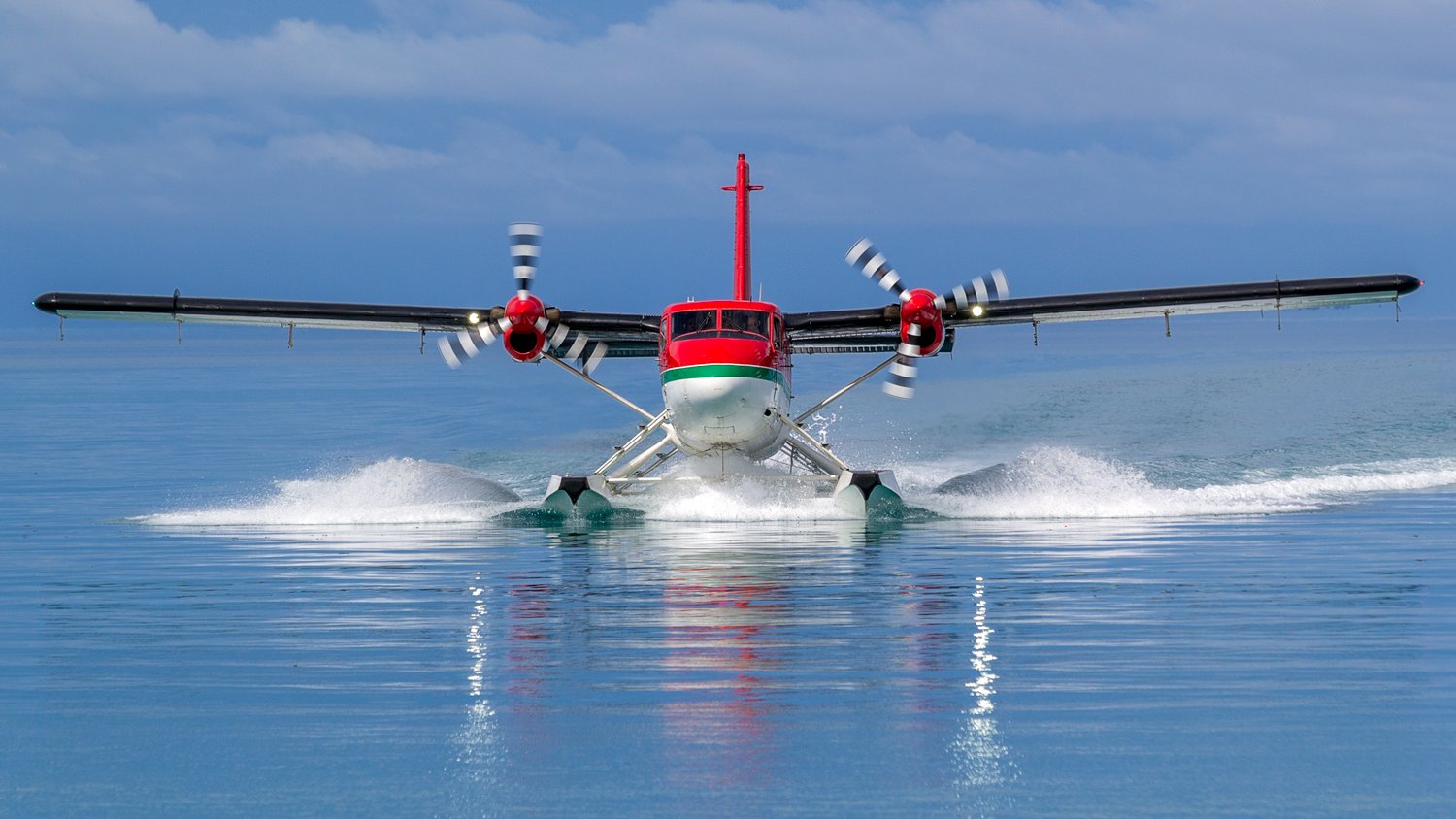
While a runway on the ground is always preferable, many airplanes are capable of landing on water. On Jan. 15, 2009, an Airbus A320 landed in the Hudson River near Midtown Manhattan, with all of the plane’s 155 passengers and crew walking away with no major injuries. Known as the Miracle on the Hudson, it’s been described as the most successful emergency landing in the history of aviation. Being that airplanes are designed to take off and land on runways, though, you might be wondering how pilots are able to safely land them on water.

Computer Simulator Training

Pilots don’t train for water landings in real airplanes. According to a statement by U.S. Federal Aviation Authority (FAA) spokeswoman Laura Brown, they use computer simulators for this purpose instead. During this training, pilots step into a mock cockpit that features all or most of the controls found in a real airplane. Rather than transparent windows, though, the mock cockpit features an electronic display to simulate what the pilots see. By practicing in these mock cockpits, pilots can better prepare themselves for instances in which they are forced to land on the water.

Closing the Air Vents

A successful water landing requires the closing of all air vents. All airplanes have vents that pull in air from outside the airplane. If an airplane lands on the water with its air vents open, the cabin will flood with water. When this occurs, the airplane will gradually become less buoyant and, eventually, sink to the bottom of the sea or body of water on which it landed. Therefore, commercial pilots are trained to close the air vents prior to landing on water. By closing the air vents, the airplane is less likely to sink upon landing on water.

Adjust the Pitch

In addition to closing the air vents, pilots are also trained to adjust the pitch of the airplane prior to landing on water. If the nose is too high, the airplane will slam into the body, which may cause it to break apart. If the nose is too low, on the other hand, it will absorb the most force from the impact, which may cause it to break apart. For a safe and successful water landing, pilots must adjust the airplane’s pitch so that the nose isn’t too high nor too low.

Water landings are rare, but they can and do occur. It’s an emergency procedure that commercial pilots train for in simulations.

Related Posts

AMOS APN Finder
Blogs

AMOS APN Finder

November 20, 2026
MEL Calculator
Blogs

MEL Calculator

November 20, 2026
Blogs

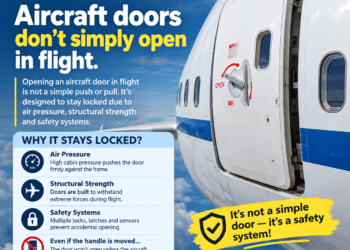
WHY DON’T AIRCRAFT DOORS SIMPLY OPEN IN FLIGHT?

November 20, 2026
Why airplane windows have tiny holes?
Blogs

Why airplane windows have tiny holes?

November 20, 2026
Why airplane windows have tiny holes?
Blogs

Why Your Ears Pop When Flying in an Airplane

November 20, 2026
How the Wings of an Airplane Generate Lift
Blogs

How the Wings of an Airplane Generate Lift

November 20, 2026

Preparing for DGCA AME exams?

Previous year papers, B1 & B2 notes and DGCA-pattern mock tests – all in one place.

Take a Mock Test DGCA Question Papers & Notes
AME QUESTION PAPER

India's first online platform for AME candidates, serving students since 2017 with quality study material for DGCA and EASA exams.

11,75,112 Global visitors
Since 2017 Serving AME students

Study Resources

  • DGCA Papers & Notes
  • Mock Tests
  • EASA Papers & Notes
  • AME Reference Books
  • RTR(A) Classes
  • Members' Results

Quick Links

  • Home
  • About Us
  • Aviation Jobs
  • Aviation News
  • Blogs
  • My Dashboard

Help & Policies

  • Contact Us
  • Terms & Conditions
  • Privacy Policy
  • Refunds & Cancellations
  • Disclaimer

Get in Touch

  • WhatsApp Support +91 75593 69412
  • Support support@amequestionpaper.in
© 2017–2026 AME QUESTION PAPER. All rights reserved. Design by AME QUESTION PAPER ❤

Ok

Create New Account!

Fill the forms below to register

All fields are required. Log In

Retrieve your password

Please enter your username or email address to reset your password.

Log In
✈
AME QUESTION PAPER Support www.amequestionpaper.in
Hi! 👋 How can we help with your DGCA Exam Preparation?
What do you need help with?
DGCA QUESTION PAPERSMOCK TESTRTR(A) CLASSESGUIDANCE
Start WhatsApp Chat WhatsApp Support: +91 75593 69412
No Result
View All Result
  • Home
  • AME
    • DGCA QUESTION PAPER & NOTES
    • MOCK TEST
    • AME REFERENCE BOOKS
    • EASA QUESTION PAPER & NOTES
  • RTR
  • JOBS
  • News
  • Blogs
  • Login
  • Sign Up

Copyright 2017-2026 © All rights Reserved. Design by AME QUESTION PAPER ❤

Insert/edit link

Enter the destination URL

Or link to existing content

    No search term specified. Showing recent items. Search or use up and down arrow keys to select an item.