


New Delhi: The Directorate General of Civil Aviation (DGCA) has directed airlines to conduct drug screening of pilots as part of increased efforts to strengthen aviation safety and prevent the use of psychoactive substances by flight crew.
According to sources, the regulator issued instructions to airlines last month to conduct drug tests covering pilots across the industry. Airlines have reportedly been given until July 2027 to complete the exercise.
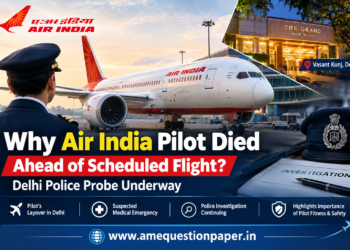
The move comes shortly after an Air India Phuket–Delhi flight incident in which the aircraft experienced a sudden altitude disturbance, resulting in injuries to several passengers. The incident subsequently raised concerns after the aircraft’s pilot-in-command was found to have tested positive for a psychoactive substance.
New Drug-Testing Rules Under Preparation
Civil Aviation Minister K. Rammohan Naidu said the DGCA is working on revised regulations covering the testing of pilots for psychoactive substances.
Speaking at a conference in New Delhi, the minister said the draft of the revised Civil Aviation Requirements (CAR) is expected to be finalised by the end of September following consultations with stakeholders.
Under the existing DGCA requirements, testing for psychoactive substances is conducted on a random basis. Airlines and other relevant organisations are currently required to test a specified proportion of pilots and air traffic controllers each year.
India has more than 12,000 pilots employed by commercial airlines, making the expanded testing exercise a significant industry-wide safety initiative.
Air India Takes Action Against Pilot
The Air India Group had already introduced broader drug screening for its pilots following the Phuket incident. In August, the airline decided to test pilots across Air India and Air India Express.
The pilot-in-command involved in the Phuket–Delhi flight was later terminated by Air India after the Aircraft Accident Investigation Bureau (AAIB) released its preliminary findings.
The AAIB report identified the pilot’s test result as a significant safety concern and called on the DGCA to take appropriate action regarding the use of psychoactive substances.
Air India subsequently confirmed that the pilot had tested positive for a psychoactive substance. The airline said the termination was consistent with its policy of zero tolerance towards violations involving safety, fitness and regulatory requirements.
What Happened During the Phuket–Delhi Flight?
The aircraft, carrying 145 people, was cruising at approximately 36,000 feet when it experienced a major system-related event.
According to the AAIB’s preliminary findings, the aircraft suffered an almost simultaneous loss of its three hydraulic systems. The event resulted in an autopilot disconnect, a brief stall warning and an altitude upset.
The sudden disturbance caused 24 passengers to sustain injuries.
The investigation also highlighted the confirmed detection of a psychoactive substance in the pilot-in-command’s post-flight testing, prompting the AAIB to recommend regulatory action.
Focus on Flight Crew Safety and Fitness
The latest DGCA directive indicates a broader focus on identifying and preventing the use of psychoactive substances within the aviation sector.
The proposed regulatory changes could further strengthen the existing testing framework and establish more comprehensive procedures for detecting substance use among pilots and other safety-sensitive personnel.
With airlines expected to complete the latest testing programme by July 2027, the initiative is likely to become an important component of India’s ongoing aviation safety oversight.